Skip to content

First 90 Days: Building the Work Kit for a New Job
There is plenty of advice on how to navigate your first 90 days at a new job. Set SMART goals. Find a mentor. Ask smart questions. Don't take on too much in week one. It’s all good advice, but almost none of it talks about what to actually carry while you're doing any of it.
That gap matters more than it seems. Research from SHRM shows that workplace experts and onboarding studies keep landing on the exact same figure: new hires get about 90 days to prove themselves in a role. The stakes are real, too—SHRM reporting found that nearly a third of new hires leave before hitting that three-month mark.
It’s a tight, high-visibility window. Every meeting, every commute, every time you dig through your bag looking for a pen or a charger is part of how people quietly form an impression of you. Consider this the practical partner to your 30-60-90 day plan—not the strategy, but the physical kit that holds it together.
Day One: What Goes In the Bag Before You've Even Sat Down

Day one isn't about showing off your technical skills yet. It's about showing you're organized before you've even finished introducing yourself.
Keep your bag light and purposeful:
-
A reliable notebook and a pen (check that it actually has ink before you leave the house)
-
Printed or digital copies of your offer letter and ID—HR almost always asks for these earlier than you think
-
Your laptop, tucked into a dedicated protective sleeve rather than bouncing around loose in a tote
-
A work bag that belongs in the room, not something worn out from four rounds of interviews
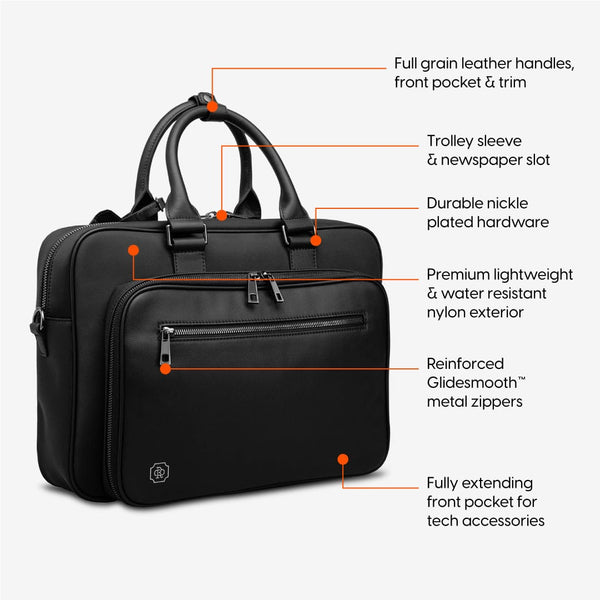
This is where your bag starts doing quiet work for you. A clean, structured briefcase like the Alto Briefcase sends the same signal as a steady handshake—it says you turned up prepared and ready to work.
Weeks 1–30: Building the Kit You'll Actually Use
Your day-one list is intentionally short. What lives in your bag every day after that is longer, and it’s the setup that actually gets tested under pressure. By week two or three, a real routine starts taking shape:

-
A charger and a compact power bank, because early days on a job tend to run long and unpredictable
-
A badge clip or lanyard that stays easy to grab instead of getting lost at the bottom of a pocket
-
A slim card holder or business cards for all the quick introductions coming your way
-
Cables, a mouse, headphones—the small everyday gear that either has a home or ends up in a tangled heap
This is where a bag proves its worth. A wide-open, single-compartment bag turns this list into a daily search effort. Purpose-built organization—one spot for your laptop, one for paperwork, and dedicated pockets for small gear—makes finding what you need second nature.
It’s the same point we made in The Death of the Boxy Briefcase: a good modern work bag isn't judged by how thin it looks, but by how quickly you can grab your charger between back-to-back meetings. For carrying cards, a slim option like the Classic Slim Leather Card Holder keeps introductions smooth without any pocket-fumbling.
Days 30–60: When the Job Starts Traveling With You

Sometime between month one and month two, most new roles demand your first offsite, client visit, or overnight trip. That's usually when people realize their everyday briefcase wasn't designed for travel, and a gym bag or canvas tote doesn't look right for a work event.
A solid weekender solves that overlap without any fuss. The Kennedy Weekender is built for this exact middle ground—a carry-on piece with a dedicated laptop compartment, so you don't have to pack your work tools and your personal items in separate bags.
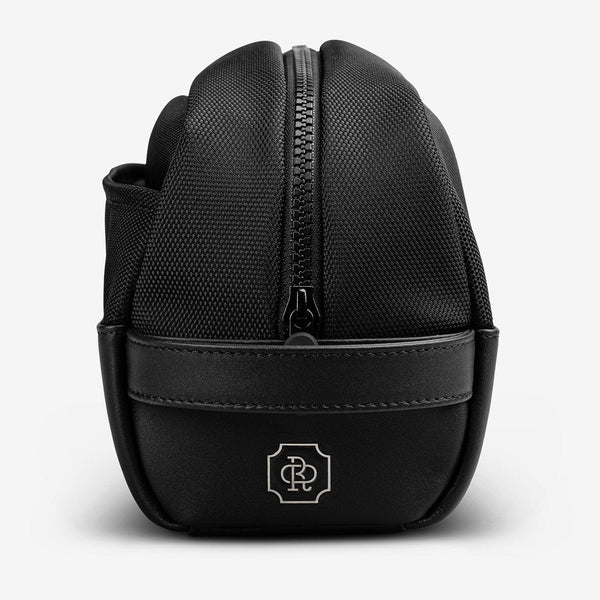
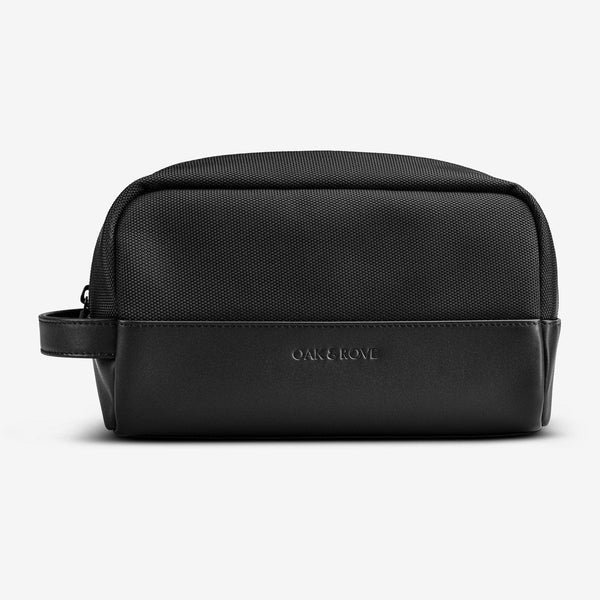
Pair it with a proper wash bag instead of a plastic pouch full of travel bottles. Our guide to Dopp kits covers what you actually need to pack, and the Oak & Rove Dopp Kit is sized to sit neatly inside the weekender without taking up half the main compartment.
Days 60–90: The Kit That Signals You've Arrived
By day 60 or 70, something shifts. You aren't "the new person" carefully watching how the office works anymore—you're part of the team, and your setup has usually caught up to the role without you realizing it.
The cheap notebook you grabbed on day one might have been swapped for something better. Your cables have fixed spots in your bag. What started as an emergency pack for your first week has turned into your permanent daily carry.
This is less of a strict checklist moment and more of a good milestone: if your bag has been working hard since before you landed this job, 90 days in is a fair time to replace it with something built for the work you're doing now.

The First 90 Days Work Kit Checklist
Here is a quick summary broken down by stage:
-
Day One: Notebook, working pen, offer letter/ID copies, laptop sleeve, structured briefcase
-
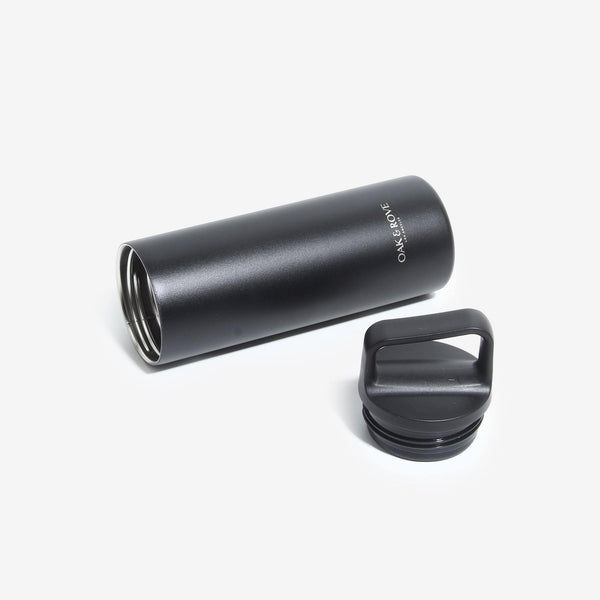
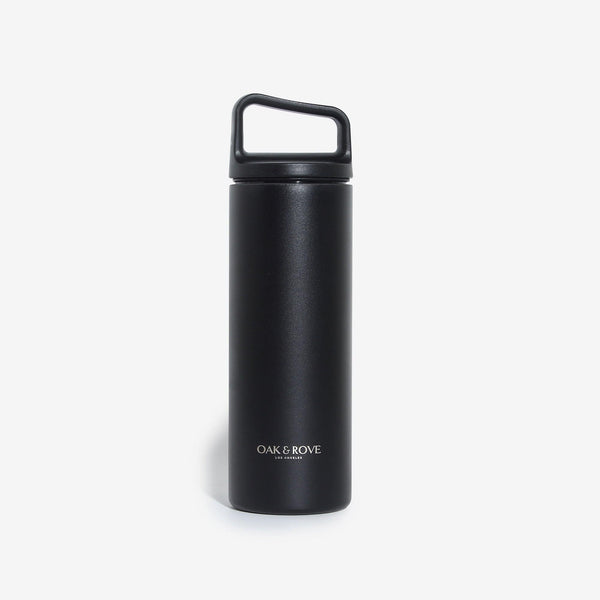
Weeks 1–30: Charger, power bank, badge clip, business cards or a slim card holder, organized cable storage, a proper water bottle instead of another paper cup from the break room
-
Days 30–60: Carry-on weekender (Kennedy Weekender), a solid travel wash bag (Oak & Rove Dopp Kit), built-in laptop protection
-
Days 60–90: An honest look at whether your kit still fits the role you've grown into
The Strategy Gets You There. The Kit Makes Sure You Look Like You Already Belonged.

Most 30-60-90 day plans focus entirely on what you want to achieve. Hardly any mention what you'll be carrying around while you achieve it—but the two are closer than they look.
Turning up organized from day one to day ninety is its own quiet way of showing you've got things under control. Set up your kit properly once, and it becomes one less thing you have to think about.
Take a look at the Alto Briefcase and Kennedy Weekender to start putting your setup together.